Generator Overheating: Causes, Signs, Fixes & Prevention
A generator is designed to handle demanding jobs, but excessive heat can quickly turn a reliable power source into an expensive repair. If your generator is overheating, shutting down unexpectedly, or losing performance, it’s a warning sign that something isn’t working as it should.
While generators naturally produce heat during operation, they should never become excessively hot. Problems such as overloading, poor ventilation, low engine oil, or neglected maintenance can cause temperatures to rise beyond safe limits, potentially damaging the engine and other critical components.
In this guide, you’ll learn the most common causes of generator overheating, how to identify the warning signs, effective ways to fix the problem, and practical tips to prevent it from happening in the future.
What Is Generator Overheating?
Generator overheating occurs when the engine or other critical components operate above their normal temperature range and cannot dissipate heat effectively. Every generator produces heat while converting fuel into electricity, but its cooling system is designed to keep temperatures within safe operating limits. When this balance is disrupted, the generator begins to overheat.
Depending on the model, generators use either an air-cooled or liquid-cooled system to remove excess heat. Portable generators typically rely on cooling fins and a fan to circulate air around the engine, while larger standby generators often use a radiator and coolant, similar to a car engine.
Overheating is not a problem you should ignore. Excessive heat can break down engine oil, reduce engine efficiency, damage electrical components, warp internal engine parts, and trigger the generator’s automatic shutdown feature. In severe cases, continuing to operate an overheated generator can result in costly repairs or complete engine failure.
The key is to recognize the problem early and identify what’s causing the generator to run hotter than normal. Addressing the issue promptly can prevent permanent damage and keep your generator operating safely and reliably.
Common Signs of an Overheating Generator
An overheating generator usually gives several warning signs before serious damage occurs. Recognizing these symptoms early can help you shut the generator down, identify the cause, and avoid costly repairs.
1. Automatic Shutdown
Many modern generators have built-in safety features that automatically shut the engine off when it reaches an unsafe temperature. If your generator repeatedly stops after running for a while and restarts only after it cools down, overheating may be the cause.
2. Excessive Heat Around the Engine
It’s normal for a generator to feel warm during operation, but it should never become excessively hot. If the engine cover or surrounding components are unusually hot or radiate excessive heat, the generator may not be cooling properly.
3. Loss of Power or Poor Performance
An overheating engine often struggles to maintain consistent power. You may notice reduced electrical output, engine hesitation, or difficulty handling appliances that normally run without any issues.
4. Burning Smell
A hot, burning odor coming from the generator should never be ignored. Overheating can cause engine oil to burn, insulation on electrical wires to overheat, or plastic components to become damaged.
5. Warning Lights or Error Codes
Many inverter and standby generators are equipped with temperature sensors. If the engine overheats, you may see a high-temperature warning light or an error code on the control panel. Always refer to your owner’s manual to understand what the warning indicates.
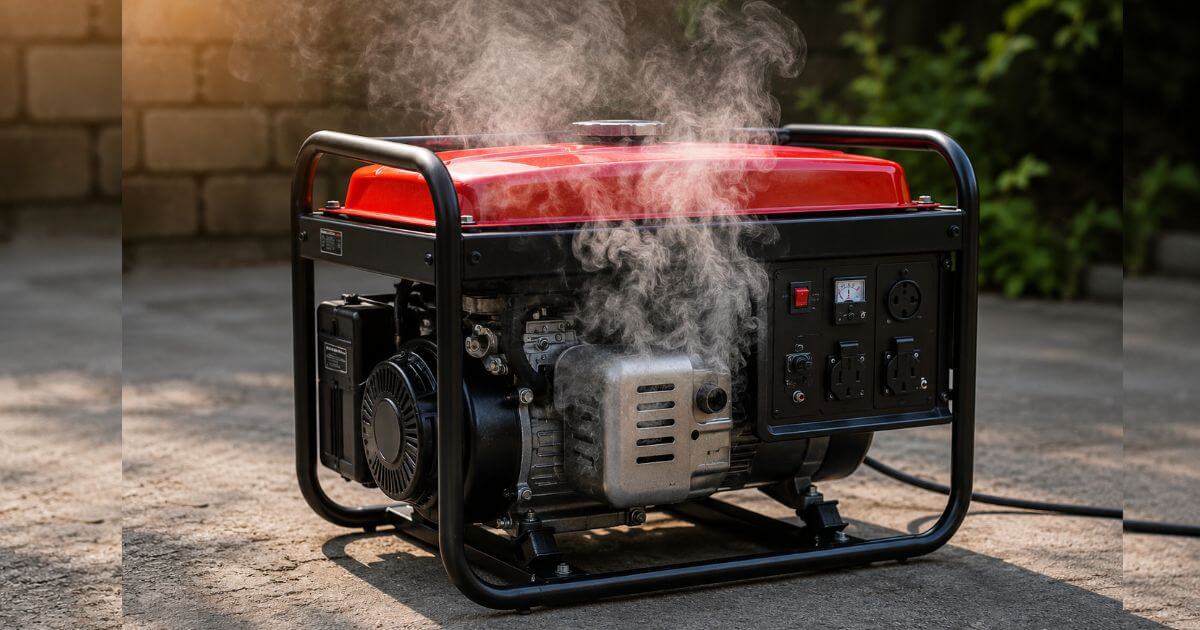
6. Unusual Smoke
In some cases, an overheating generator may produce white, blue, or black smoke. While smoke can indicate several different problems, it often appears when excessive heat affects engine operation or causes oil or fuel to burn improperly.
7. Loud Engine Noise
A generator that is running hotter than normal may begin making unusual knocking, pinging, or rattling sounds. These noises can indicate increased engine stress and should be investigated immediately.
What Causes a Generator to Overheat?
Generator overheating is usually the result of one or more underlying problems rather than a fault on its own. Identifying the exact cause is the first step toward fixing the issue and preventing future damage. Below are the most common reasons why a generator overheats.
1. Overloading the Generator
Overloading is one of the leading causes of generator overheating. Every generator is designed to supply a maximum amount of power. When the combined wattage of connected appliances exceeds its rated capacity, the engine must work much harder than intended. This extra workload generates excessive heat, which can quickly raise the engine temperature.
How to fix it:
- Disconnect unnecessary appliances.
- Keep the total electrical load below the generator’s rated running wattage.
- If you regularly need more power, consider upgrading to a larger generator.
2. Poor Ventilation
Generators require a constant flow of fresh air to cool the engine. Operating a generator inside a garage, shed, enclosed trailer, or any poorly ventilated area traps hot air around the unit, causing temperatures to rise rapidly.
How to fix it:
- Always operate the generator outdoors.
- Leave plenty of open space around the generator for proper airflow.
- Never block the cooling vents or air intake openings.
3. Low or Dirty Engine Oil
Engine oil reduces friction between moving parts while also helping remove heat from the engine. If the oil level is too low or the oil has become old and contaminated, it loses its ability to lubricate and cool the engine effectively.
How to fix it:
- Check the oil level before each use.
- Top up the oil if necessary.
- Replace old oil according to the manufacturer’s maintenance schedule.
4. Dirty or Blocked Cooling Fins
Most portable generators use air-cooled engines with metal cooling fins. Dust, mud, leaves, grass, and debris can clog these fins, preventing heat from escaping efficiently.
How to fix it:
- Turn off the generator and allow it to cool.
- Clean the cooling fins using a soft brush or compressed air.
- Inspect the generator regularly if you use it in dusty environments.
5. Clogged Air Filter
A dirty air filter restricts airflow into the engine, resulting in poor combustion and increased engine temperature. Over time, this can reduce performance and contribute to overheating.
How to fix it:
- Inspect the air filter regularly.
- Clean reusable filters as recommended.
- Replace heavily clogged or damaged filters with a new one.
If you notice one or more of these warning signs, stop using the generator as soon as it is safe to do so. Allow it to cool completely before inspecting it or attempting any repairs. Continuing to run an overheated generator can turn a minor issue into a major engine failure.
6. Faulty Cooling Fan
Most air-cooled generators rely on a fan to circulate air over the engine and cooling fins. If the cooling fan is damaged, loose, or not spinning properly, heat cannot be removed efficiently. As a result, the engine temperature rises quickly, especially during extended operation.
How to fix it:
- Inspect the cooling fan for cracks or broken blades.
- Make sure nothing is blocking the fan from spinning freely.
- Replace a damaged or worn fan as soon as possible.
7. High Ambient Temperature
Using a generator on extremely hot days can make it more difficult for the cooling system to keep the engine at a safe temperature. This becomes even more of a problem when the generator is running near its maximum power output.
How to fix it:
- Operate the generator in a shaded, well-ventilated area whenever possible.
- Try to keep it out of direct sunlight, especially for long periods.
- Reduce the electrical load during extremely hot weather.
8. Cooling System Problems (Liquid-Cooled Generators)
Large standby and commercial generators often use a liquid-cooling system. Low coolant levels, coolant leaks, a faulty water pump, or a clogged radiator can prevent heat from being removed efficiently, causing the engine to overheat.
How to fix it:
- Check the coolant level regularly.
- Inspect hoses and the radiator for leaks.
- Clean the radiator to remove dirt and debris.
- Replace faulty cooling system components if necessary.
9. Blocked or Restricted Exhaust
A generator’s exhaust system allows hot gases to escape from the engine. If the exhaust pipe or spark arrestor becomes clogged with carbon deposits or debris, heat can build up inside the engine, increasing operating temperatures.
How to fix it:
- Inspect the exhaust outlet for obstructions.
- Clean the spark arrestor if your generator is equipped with one.
- Replace damaged exhaust components when needed.
10. Poor Maintenance
Skipping routine maintenance is one of the most common reasons generators develop overheating problems. Old engine oil, dirty filters, worn spark plugs, loose components, and neglected inspections all force the engine to work harder, producing more heat than normal.
How to fix it:
- Perform routine maintenance as recommended in the owner’s manual.
- Change the engine oil, clean or replace filters, and inspect the generator regularly.
- Address small issues early before they develop into expensive repairs.
11. Continuous Operation for Long Hours
Although many generators are designed to run for extended periods, operating them continuously without allowing adequate rest can cause heat to build up over time. This is especially true for smaller portable generators that are running under heavy loads.
How to fix it:
- Follow the manufacturer’s recommended maximum runtime.
- Allow the generator to cool during long power outages if your model requires periodic breaks.
- Monitor the engine temperature during extended use.
12. Internal Engine Problems
In some cases, overheating may be caused by worn piston rings, damaged bearings, improper ignition timing, or other internal engine issues. These problems increase friction and reduce engine efficiency, generating excessive heat that routine maintenance alone cannot solve. Also read 5 Mistakes That Kill Your Inverter Generator Faster.
How to fix it:
- If you’ve ruled out common causes and the generator continues to overheat, have it inspected by a qualified technician.
- Continuing to operate a generator with internal engine damage can lead to complete engine failure and costly repairs.
How to Fix an Overheating Generator
If your generator is overheating, don’t ignore the warning signs. Continuing to operate it at high temperatures can damage the engine, alternator, and other critical components. Follow these steps to safely diagnose and fix the problem.
1. Turn Off the Generator Immediately
If you notice excessive heat, a burning smell, warning lights, or an automatic shutdown, switch the generator off as soon as it is safe to do so. Allow it to cool completely before inspecting any components. Never touch a hot engine, radiator, or exhaust system with bare hands.
2. Reduce the Electrical Load
Disconnect unnecessary appliances and make sure the generator is not powering more equipment than it is designed to handle. Running within the generator’s rated capacity reduces engine stress and helps prevent overheating.
3. Check the Engine Oil
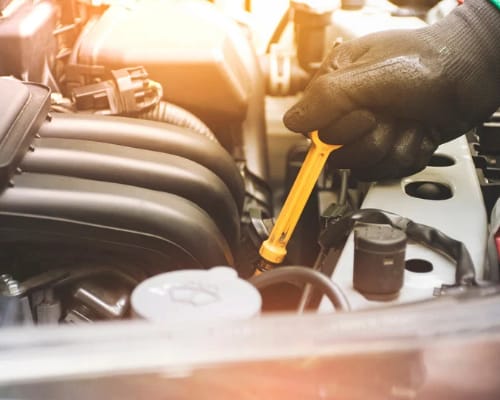
Check the engine oil level with the dipstick to make sure it’s within the recommended range. If the oil is low, top it up with the type recommended by the manufacturer. If the oil appears dirty or has exceeded its service interval, replace it before operating the generator again.
4. Improve Airflow
Inspect the generator’s air intake, cooling vents, and cooling fins for dirt, leaves, grass, or other debris. Clean any obstructions that could restrict airflow. Also, make sure the generator is placed in an open outdoor area with plenty of space around it for ventilation.
5. Inspect the Air Filter
A clogged air filter can reduce airflow into the engine, causing it to run hotter than normal. Clean a reusable air filter if possible, or replace it if it is excessively dirty or damaged.
6. Check the Cooling System
If you have a liquid-cooled generator, inspect the coolant level once the engine has cooled. Look for coolant leaks, damaged hoses, or a clogged radiator. Repair any leaks and refill the coolant if necessary, following the manufacturer’s recommendations.
7. Examine the Cooling Fan
Make sure the cooling fan is clean, undamaged, and spinning freely. A broken or obstructed fan cannot circulate enough air to keep the engine cool and should be repaired or replaced.
8. Clean the Exhaust System
Inspect the exhaust outlet and spark arrestor for carbon buildup or debris. A blocked exhaust traps heat inside the engine and can contribute to overheating. Clean the spark arrestor according to the manufacturer’s maintenance instructions.
9. Test the Generator Again
After addressing any visible problems, restart the generator with little or no electrical load. Let it run for several minutes while monitoring its temperature. If it continues to operate normally, gradually reconnect your appliances one at a time.
10. Seek Professional Repair if Necessary
If your generator still overheats after performing these checks, the problem may involve internal engine damage, a faulty temperature sensor, or another mechanical issue that requires professional diagnosis. Continuing to use the generator without repairing the root cause can result in severe engine damage and higher repair costs.
Pro Tip: Never attempt to cool an overheated generator by pouring cold water over the engine. The sudden temperature change can damage hot metal components and create additional safety hazards. Always allow the generator to cool naturally before inspecting or servicing it.
How to Prevent Generator Overheating
Preventing a generator from overheating is much easier and less expensive than repairing heat-related damage. With regular maintenance and proper operating practices, you can keep your generator running efficiently and extend its service life.
1. Never Overload the Generator
Always calculate the total wattage of the appliances you plan to power. Keep the electrical load below the generator’s rated running capacity, and avoid exceeding its surge rating. If your power needs are consistently high, upgrade to a generator with a larger output.
2. Follow the Maintenance Schedule
Routine maintenance plays a vital role in preventing overheating. Change the engine oil at the recommended intervals, clean or replace the air filter, inspect the spark plug, and tighten any loose bolts or connections. A well-maintained generator runs cooler and more efficiently.
3. Keep the Generator Clean
Dust, dirt, grass, leaves, and other debris can block cooling fins and air vents, reducing airflow around the engine. Clean the exterior regularly and inspect the cooling system after operating the generator in dusty or dirty conditions.
4. Use the Correct Engine Oil
Always use the oil grade recommended in the owner’s manual. The right oil provides proper lubrication and helps carry heat away from moving engine parts. Using the wrong oil or running with low oil can increase friction and engine temperature.
5. Operate in a Well-Ventilated Area
Always place your generator outdoors in an open location where fresh air can circulate freely. Leave enough space around the generator and never cover it while it is running. Proper ventilation is essential for both cooling and safe operation.
6. Protect It From Extreme Heat
During hot summer weather, operate the generator in a shaded area whenever possible. While it should never be used indoors or in enclosed spaces, keeping it out of direct sunlight can help reduce operating temperatures.
7. Monitor Runtime
Portable generators are designed for long operation, but they still benefit from periodic inspections during extended use. Check the oil level, watch for warning signs, and allow the generator to cool if recommended by the manufacturer.
8. Inspect Before Every Use
Before starting the generator, perform a quick inspection. Check the oil level, fuel system, air filter, cooling vents, and electrical connections. Catching small problems early can prevent overheating and unexpected breakdowns.
9. Store the Generator Properly
When the generator is not in use, store it in a clean, dry location. Protect it from excessive dust, moisture, and debris that could affect the cooling system or engine components before the next use.
By following these simple preventive measures, you can significantly reduce the risk of overheating, improve your generator’s reliability, and avoid costly repairs. A few minutes of routine maintenance before each use can save hours of troubleshooting and extend the life of your investment.
Conclusion
Generator overheating is a serious issue that should never be ignored. While it’s normal for a generator to produce heat during operation, excessive temperatures can lead to reduced performance, unexpected shutdowns, and costly engine damage if left unaddressed.
Fortunately, most overheating problems are preventable. Regular maintenance, using the correct engine oil, avoiding overloads, keeping the cooling system clean, and operating the generator in a well-ventilated outdoor area can significantly reduce the risk of overheating and extend the life of your generator.
If your generator shows signs of overheating, stop using it immediately and identify the underlying cause before putting it back into service. Taking quick action can prevent minor issues from turning into major repairs.
By following the tips and troubleshooting steps in this guide, you can keep your generator running safely, efficiently, and reliably whenever you need backup power the most.