THD in Generators: Why It Matters for Electronics
Imagine there is a power outage at your home. You start your generator. The lights turn on. The refrigerator starts running.
Everything looks normal.
But your expensive electronics may still be at risk. Why? Because a generator does not only need to produce electricity.
It needs to produce clean electricity. This is where THD becomes important. THD helps you understand the quality of power coming from your generator.
A low THD in generators produces cleaner electricity. A high THD generator produces more unstable electricity.
How We Evaluate Generator Power Quality
When reviewing generators, we do not only look at wattage. Power quality is also important.
We consider:
- THD rating
- Voltage stability
- Frequency stability
- Generator technology
- Real user experiences
A generator should provide enough power while also protecting the devices connected to it.
What Is THD in Generators?
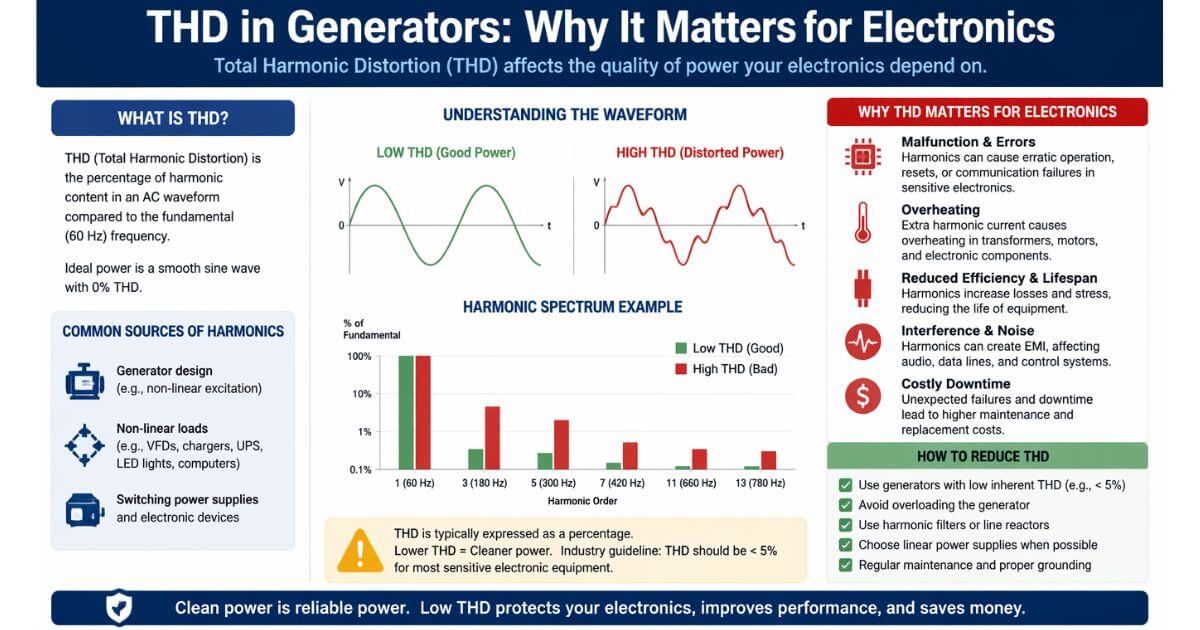
THD means Total Harmonic Distortion.In simple words, THD tells you how smooth and clean the electricity is. Think about water coming from a pipe. Clean water is safe to use. Dirty water can create problems.
Electricity is similar.
Clean power is safer for your devices. Distorted power can create stress on electronics.
A generator with low THD produces electricity that is closer to the power you get from your home outlet.
A Real-Life Example of THD Problems
Let’s say there is a storm in your area.
The electricity goes out. You connect your laptop, Wi-Fi router, and television to your generator.
At first, everything works. You think your generator is doing a great job.
After a few months, you notice problems. Your laptop charger becomes hot. Your Wi-Fi router restarts randomly. Your TV sometimes turns off.
Many people blame the device. But the real problem can be poor power quality from the generator. High THD can slowly affect sensitive electronics.
Why Do Electronics Need Clean Power?
Older appliances were simple. A fan or light bulb can usually handle unstable power.
Modern electronics are different. They have small computer chips inside. These chips control how the device works.
Examples include:
- Smart TVs
- Laptops
- Gaming consoles
- Phones
- Routers
- Medical equipment
These devices need stable electricity.
Poor power quality can put extra stress on their internal parts.
What Happens When THD Is High?
1. Your Devices Can Run Hotter
High distortion can create extra electrical stress. Your chargers and electronics may produce more heat. Over time, this can reduce their lifespan.
2. Motors May Struggle
Some appliances use motors.
For example:
- Refrigerator compressors
- Air conditioners
- Water pumps
When power quality is poor, motors may not run efficiently. They may become noisy. They may wear out faster.
3. Electronics May Restart
Have you ever seen a computer restart suddenly? Or a Wi-Fi router disconnect? Unstable generator power can sometimes cause these issues.
4. Expensive Devices Can Get Damaged
A cheap appliance may survive poor power. But expensive electronics are different. Replacing a damaged laptop or TV can cost much more than buying a generator with low THD.
What THD Level Is Safe for Your Home Electronics?
When buying a generator, you may see a THD number in the specifications.
Many people ignore it. But this small number can make a big difference. A lower THD rating usually means cleaner and safer power.
Here is a simple guide:
| THD Level | Power Quality | Best For |
| Less than 3% | Excellent | Sensitive electronics, laptops, TVs, medical devices |
| 3% to 5% | Good | Most home appliances and electronics |
| 5% to 10% | Average | Basic appliances like lights and fans |
| Above 10% | Poor | Heavy-duty tools and simple equipment only |
Is 5% THD Safe for Electronics?
Yes, in most cases. A generator with 5% THD or lower is generally considered safe for many household electronics.
For example:
You have a power outage.
You connect:
- Refrigerator
- LED lights
- Television
- Wi-Fi router
A generator with low THD can usually handle these devices safely. However, very sensitive equipment may need even cleaner power.
Why Inverter Generators Usually Have Lower THD
Many people choose inverter generators because of their clean power output.
Here is a simple example. A traditional generator directly produces electricity from the engine. When engine speed changes, power quality can also change.
An inverter generator works differently. It first creates electricity. Then it converts it into a cleaner and more stable output. This process helps reduce distortion.
Many inverter generators produce less than 3% THD.
That is why they are popular for:
- Camping
- RV use
- Home backup
- Electronics protection
A Real-Life Buying Example
Imagine two generators have the same wattage. Both can run your refrigerator. Both can power your lights.
But one generator has:
THD: 2%
The other has:
THD: 12%
The second generator may be cheaper. But the first generator is a safer choice for modern electronics. You are not only buying power. You are buying cleaner power.
Do All Appliances Need Low THD?
No.
Not every device needs premium power quality. Simple devices usually work fine with higher THD.
Examples:
- Incandescent lights
- Basic heaters
- Simple fans
- Some power tools
But sensitive electronics need more attention.
Examples:
- Computers
- Smart TVs
- Gaming systems
- Audio equipment
- Medical devices
For these devices, choosing a low THD generator is a smart decision.
Which Electronics Need Low THD Power the Most?
Not every device is equally sensitive. Some appliances can handle imperfect power.
Others need very clean electricity. If you use a generator for sensitive electronics, THD becomes very important.
1. Computers and Laptops
Computers have delicate internal components. The processor, motherboard, and storage system need stable power.
Imagine working on an important project during a power outage. Your laptop is connected to a generator. Suddenly, the power becomes unstable. Your laptop may restart.
You may lose your work. Over time, poor power quality can also affect internal components.
A low THD generator is a safer choice for computers.
2. Smart TVs and Gaming Consoles
Modern TVs are not just screens. They contain processors, memory, and circuit boards. Gaming consoles are also sensitive devices.
For example:
You are playing a game during a blackout. Your generator power fluctuates. The console suddenly turns off. Repeated power interruptions can affect the device. Clean power helps protect these expensive electronics.
3. Wi-Fi Routers and Networking Equipment
Many people forget about their internet equipment. A Wi-Fi router runs for many hours every day. During an outage, it is often connected to a generator.
If power quality is poor, you may experience:
- Random restarts
- Internet drops
- Connection problems
A low THD generator helps keep your network stable.
4. Medical Equipment
Some medical devices require very stable power.
Examples include:
- CPAP machines
- Oxygen concentrators
- Home monitoring equipment
For these devices, power quality is extremely important.
Always check the manufacturer’s requirements before connecting medical equipment to a generator.
5. Refrigerators and Air Conditioners
Many people think refrigerators do not need clean power. But modern refrigerators use electronic controls.
Some models have:
- Digital displays
- Smart sensors
- Inverter compressors
Poor power quality can put extra stress on these systems. Air conditioners also contain sensitive electronic parts. A low THD generator can provide safer operation.
A Simple Rule to Remember:
If a device has a computer chip inside, it usually benefits from cleaner power.
The more expensive and advanced the electronics are, the more important THD becomes.
How to Check a Generator’s THD Before Buying
Many people check only wattage when buying a generator.
They look at:
- Starting watts
- Running watts
- Fuel tank size
- Runtime
These specifications are important. But THD is also important. A generator should not only provide enough power. It should provide good-quality power.
1. Check the Manufacturer’s Specifications
The easiest way is to check the product specifications.
Many quality generators mention THD ratings.
Look for terms like:
- Total Harmonic Distortion
- THD
- Clean Power
- Pure Sine Wave Output
A good inverter generator will often mention a THD level below 3%.
2. Be Careful With Generators That Do Not Mention THD
If a manufacturer does not provide THD information, be careful. It does not always mean the generator is bad.
But it means you have less information about power quality. For sensitive electronics, choose a model with clear specifications.
3. Look for Inverter Technology
Inverter generators are usually designed for cleaner electricity.
They are popular among people who use:
- Laptops
- Cameras
- RV electronics
- TVs
- Gaming devices
They are often quieter and more fuel-efficient too.
4. Read Real User Experiences
Specifications are important. But real users can also provide useful information.
Look for comments about:
- Electronics performance
- Noise
- Voltage stability
- Long-term reliability
For example:
A user running a refrigerator and laptop for several months can provide helpful feedback.
5. Use a Power Quality Meter
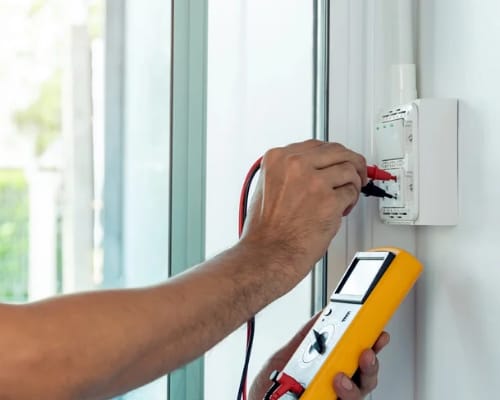
If you already own a generator, you can measure THD using a power quality meter.
This device shows the amount of electrical distortion. It can help you understand whether your generator produces clean power.
Real-Life Buying Example
Suppose you are choosing between two generators.
Generator A
- 2200 watts
- 2% THD
- Inverter technology
Generator B
- 3000 watts
- 15% THD
- Traditional design
Generator B has more power. But Generator A may be better for your laptop, TV, and other electronics. More watts do not always mean better power. Power quality matters too.
Inverter Generator vs Conventional Generator: THD Comparison
When comparing generators, one of the biggest differences is power quality.
The main difference comes from how they produce electricity.
Conventional Generators
Traditional generators produce electricity directly from the engine. The engine speed affects the power output. If the engine speed changes, the electrical output can also change.
This can create more distortion. Many conventional generators have higher THD levels. They are still useful for:
- Construction tools
- Pumps
- Basic appliances
- Heavy-duty equipment
But they may not be the best choice for sensitive electronics.
Inverter Generators
Inverter generators use a more advanced process. They first create electricity. Then they convert it into a stable output. This helps produce cleaner power.
Many inverter generators have:
- Lower THD
- Stable voltage
- Stable frequency
- Better protection for electronics
This makes them popular for home backup and camping.
Real-Life Example
Imagine you are camping.
You bring:
- A laptop
- A phone charger
- A small TV
- A camera battery charger
A traditional generator may run these devices .But an inverter generator provides cleaner electricity. It gives you more confidence that your expensive devices are protected.
Are All Inverter Generators Low THD?
Most are. But you should still check the specifications.
Not every inverter generator has the same power quality. A good model will clearly mention its THD rating.
Look for:
- Less than 3% THD
- Pure sine wave output
- Clean power technology
Does Low THD Mean a Generator Is Better?
Low THD is important. But it is not the only factor.
A good generator should also have:
- Reliable engine
- Good fuel efficiency
- Enough wattage
- Long runtime
- Low noise
- Strong customer support
Think of THD as one important part of a complete generator evaluation.
Quick Comparison
| Feature | Inverter Generator | Conventional Generator |
| THD Level | Usually lower | Usually higher |
| Electronics Safety | Better | Depends on model |
| Noise Level | Quieter | Louder |
| Fuel Efficiency | Better | Lower |
| Price | Usually higher | Usually cheaper |
| Best For | Home backup, RV, electronics | Tools and heavy equipment |
Can High THD Really Damage Electronics? (Real Examples)
Many people ask:
“Can THD actually damage my devices?”
The answer is yes, but it usually happens slowly. High THD does not always destroy an electronic device immediately. The damage can build over time.
Example 1: Laptop Charger Problem
Imagine you are working from home. The electricity goes out.
You connect your laptop charger to a generator. Your laptop works normally.
After some time, you notice the charger becomes very hot. The charging speed becomes slower. Poor power quality can put extra stress on the charger. A low THD generator can help reduce this risk.
Example 2: Refrigerator Problems
A refrigerator is one of the most common appliances connected to a generator.
Many people think:
“If my fridge is running, everything is fine.”
But modern refrigerators contain electronic controls. High distortion can affect these components.
Possible problems include:
- Compressor stress
- Control board issues
- Reduced efficiency
A clean power supply helps your refrigerator run more safely.
Example 3: Wi-Fi Router Restarting
During a blackout, many people connect their router to a generator.
At first, it works.
But later, the router starts restarting. Your internet connection drops again and again.
The problem may not be your internet provider. It could be unstable generator power.
Example 4: Expensive Entertainment Systems
Many homes have:
- Smart TVs
- Sound systems
- Gaming consoles
These devices contain sensitive electronics.
A sudden power problem can affect their internal parts.
Replacing these devices can be expensive.
Using a generator with cleaner power is a better investment.
Should You Avoid Generators With High THD?
Not always.
It depends on what you want to run.
A high THD generator may work well for:
- Lights
- Fans
- Heaters
- Power tools
But for sensitive electronics, choose a generator with low THD.
Simple Buying Advice
If you only need a generator for basic appliances:
A standard generator may be enough.
If you want to power:
- Laptop
- TV
- Refrigerator
- Router
- Medical equipment
Choose a generator with low THD.
It provides safer and cleaner electricity.
How Much THD Should You Look For When Buying a Generator?
Choosing the right THD level depends on what you want to power.
A generator for construction work does not have the same requirements as a generator for your home electronics.
For Basic Appliances
If you only need to run simple devices, a higher THD level may be acceptable.
Examples:
- Light bulbs
- Fans
- Heaters
- Simple tools
These devices are usually less sensitive.
A traditional generator can often handle these loads.
For Home Electronics
For modern homes, a lower THD rating is better.
If you plan to run:
- Laptop
- Smart TV
- Wi-Fi router
- Refrigerator
- Gaming console
Look for a generator with:
5% THD or lower
This provides cleaner power for most household electronics.
For Sensitive Electronics
Some devices need extra protection.
Examples:
- Medical equipment
- Professional audio equipment
- High-end computers
- Servers
For these devices, choose:
3% THD or lower
Many inverter generators meet this requirement.
A Simple Example
Imagine two generators are available.
Generator A
- 2200 running watts
- 2% THD
- Inverter technology
Generator B
- 3500 running watts
- 12% THD
- Conventional design
Generator B has more power. But if you mainly want to protect electronics, Generator A may be the smarter choice. More power does not always mean better performance. Clean power matters.
Should You Buy an Inverter Generator?
For most homeowners, an inverter generator is a good choice.
It is especially useful if you want to power electronics.
Benefits include:
- Lower THD
- Quieter operation
- Better fuel efficiency
- More stable electricity
The higher purchase price can be worth it because it offers better protection for your devices.
Final Tip Before Buying
Do not choose a generator only by wattage.
A good generator should have:
✅ Enough running watts
✅ Good runtime
✅ Low noise level
✅ Reliable engine
✅ Low THD output
A generator is not only a backup power source.
It is also a protection system for your valuable electronics.
Generator THD Ratings of Popular Models
Below are examples of generators known for clean power output.
| Generator | Type | Approximate THD |
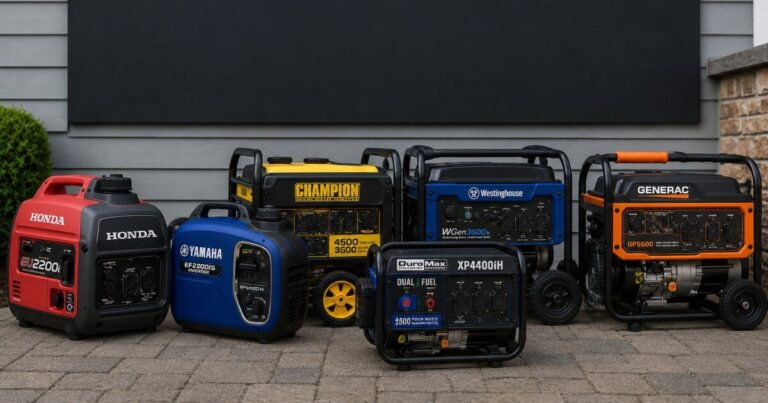
| Honda EU2200i | Inverter Generator | Less than 3% |
| Champion 2500-Watt Inverter | Inverter Generator | Less than 3% |
| Westinghouse iGen2200 | Inverter Generator | Less than 3% |
| Jackery Solar Generators | Battery Inverter System | Very Low Distortion |
Always check the latest manufacturer specifications before buying.
Final Conclusion: Is THD Important When Buying a Generator?
Yes, THD is an important factor when choosing a generator. Many buyers focus only on wattage.
They ask:
“How many appliances can this generator run?” That question is important.
But another question is: “How clean is the power it produces?”
A generator with high wattage but poor power quality may not be the best choice for modern electronics.
Think About Your Real Needs
If you only want to run:
- Lights
- Fans
- Basic tools
A standard generator may work well.
But if you want to protect:
- Laptop
- Smartphone chargers
- Smart TV
- Refrigerator
- Wi-Fi router
- Gaming devices
Choose a generator with lower THD.
A Good Rule to Remember
The more sensitive your device is, the cleaner your generator power should be.
A THD rating below 5% is a good choice for most homes.
A THD rating below 3% is better for sensitive electronics.
Frequently Asked Questions
What does THD mean in a generator?
THD means Total Harmonic Distortion.
It measures how clean the electricity produced by a generator is.
Lower THD means cleaner power.
What is a good THD level for a generator?
A THD level below 5% is good for most household electronics. For sensitive devices, below 3% is recommended.
Can high THD damage electronics?
Yes.
High THD can create extra stress on electronic components. Over time, it may reduce the lifespan of sensitive devices.
Are inverter generators better for electronics?
Usually, yes.
Most inverter generators produce cleaner electricity with lower THD.
They are a popular choice for laptops, TVs, and other sensitive devices.
Do refrigerators need low THD power?
Modern refrigerators can benefit from cleaner power. Many newer models contain electronic controls that work better with stable electricity.
Is low THD more important than generator wattage?
Both are important. Wattage tells you how much power a generator can provide. THD tells you the quality of that power. A good generator needs both.